
Energy Storage
Resolve questions about cathode, anode, electrolyte, and SEI composition, performance, and cross-talk behind safety, lifetime, and rate capability to screen ion transport, diffusion barriers, and electrolyte decomposition in simulation so only the chemistries that earn it reach the lab.
Which chemistries and interfaces can improve capacity, lifetime, safety, and cost?
Quantum calculations resolve diffusion barriers. Machine-learned potentials scale them to electrolyte and SEI dynamics. Surrogates sweep thousands of chemistries in minutes.
Cycling and impedance data calibrate digital experiments and ML surrogates, grounding both in cells you have actually built and tested.
Identify a promising chemistry with a synthesis route with fewer exploratory experiments.
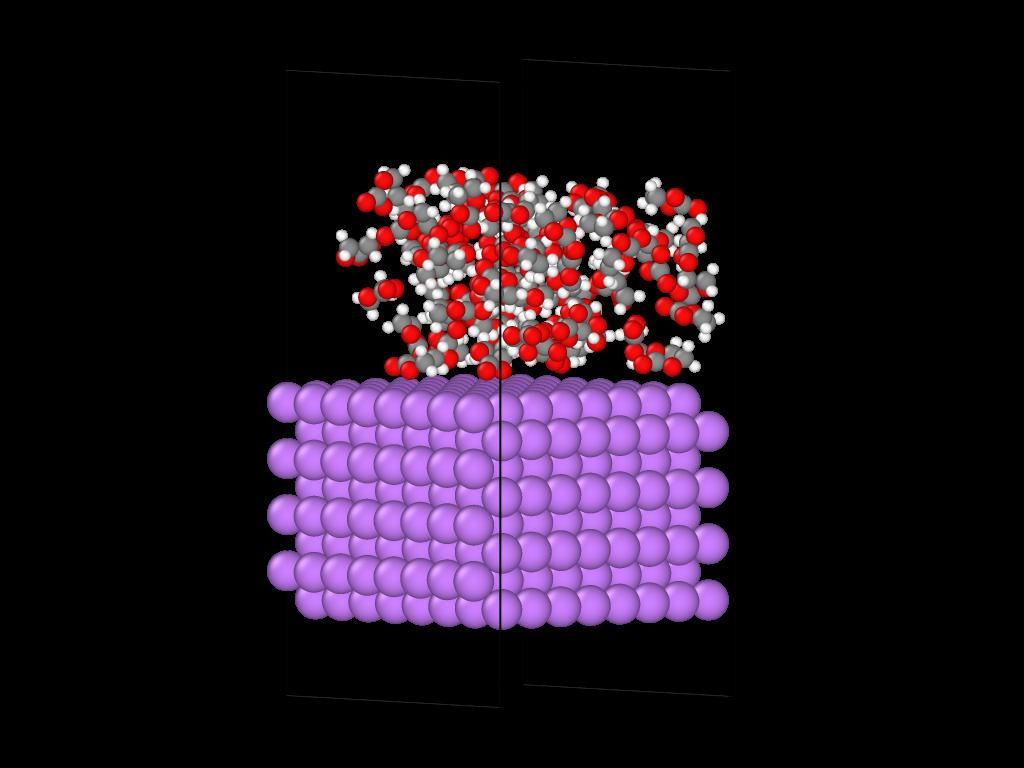
Battery Simulations with PHIN
Battery simulations have traditionally required significant expertise and manual oversight to define simulation workflows and ensure accuracy. We show how both problems are addressed with PHIN-OS and PHIN-atomic. We leverage these tools to simulate the formation of solid electrolyte interphases, which remains a grand challenge in battery research.
Read the case study →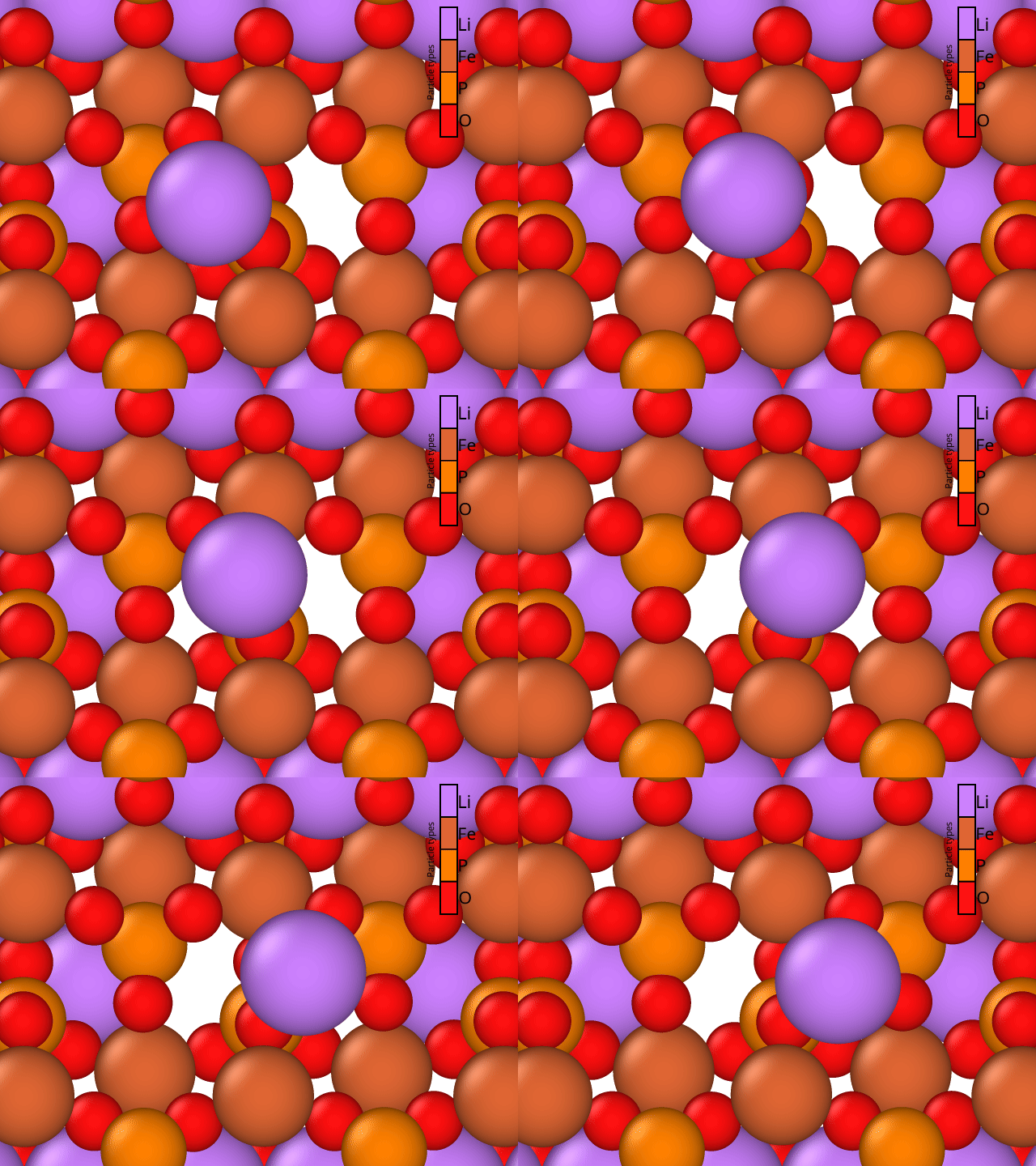
Li diffusion in LFP
Case study of the nudged elastic band (NEB) workflow in PHIN-OS to predict Li diffusion in an LFP cathode.
Read the case study →