PHIN journal

What we're learning and building

Research, case studies, product updates, and news from the team digitizing materials engineering.

Scaling Beyond the Atomic Scale with Coarse-Grained Machine Learning
Blog

Scaling Beyond the Atomic Scale with Coarse-Grained Machine Learning

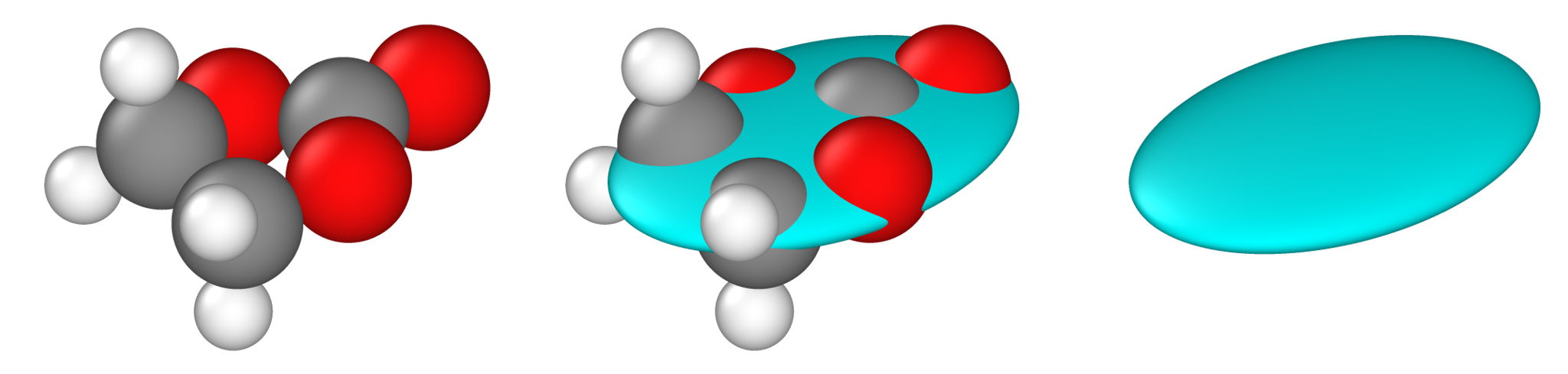
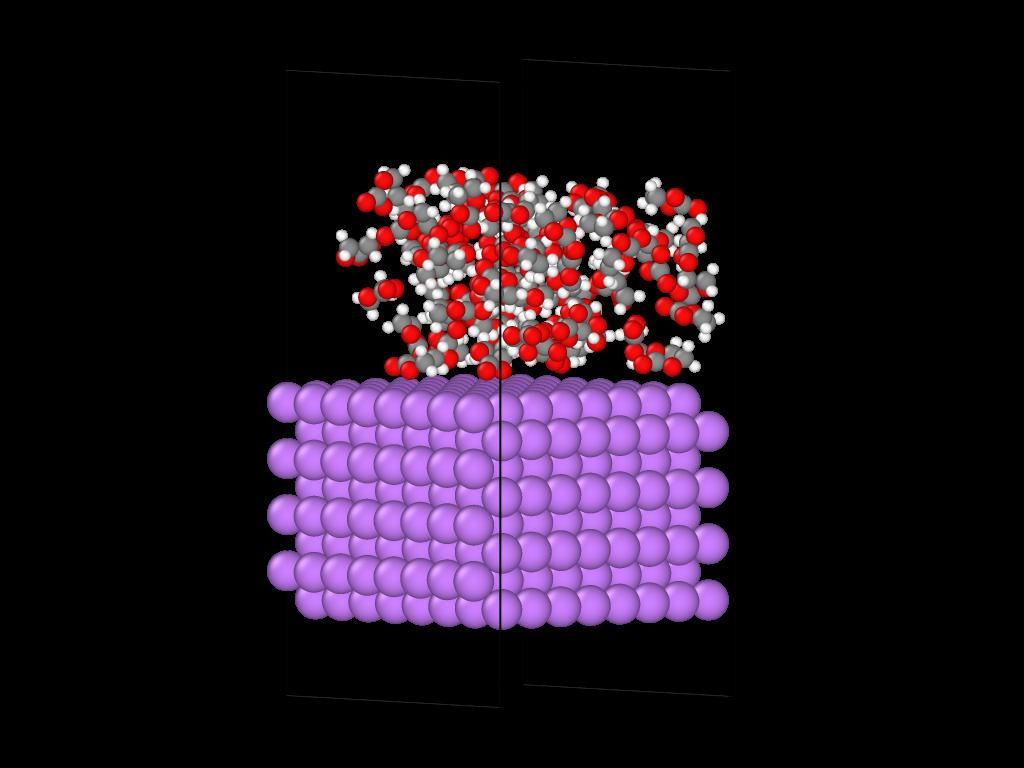
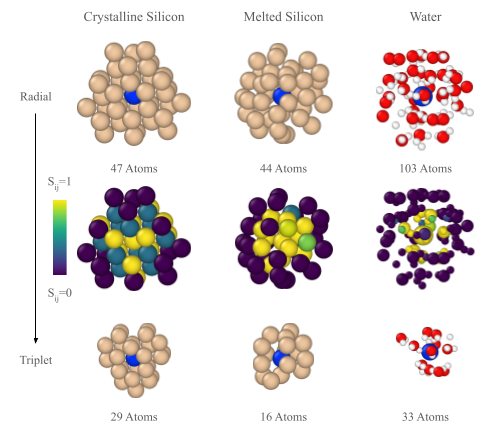
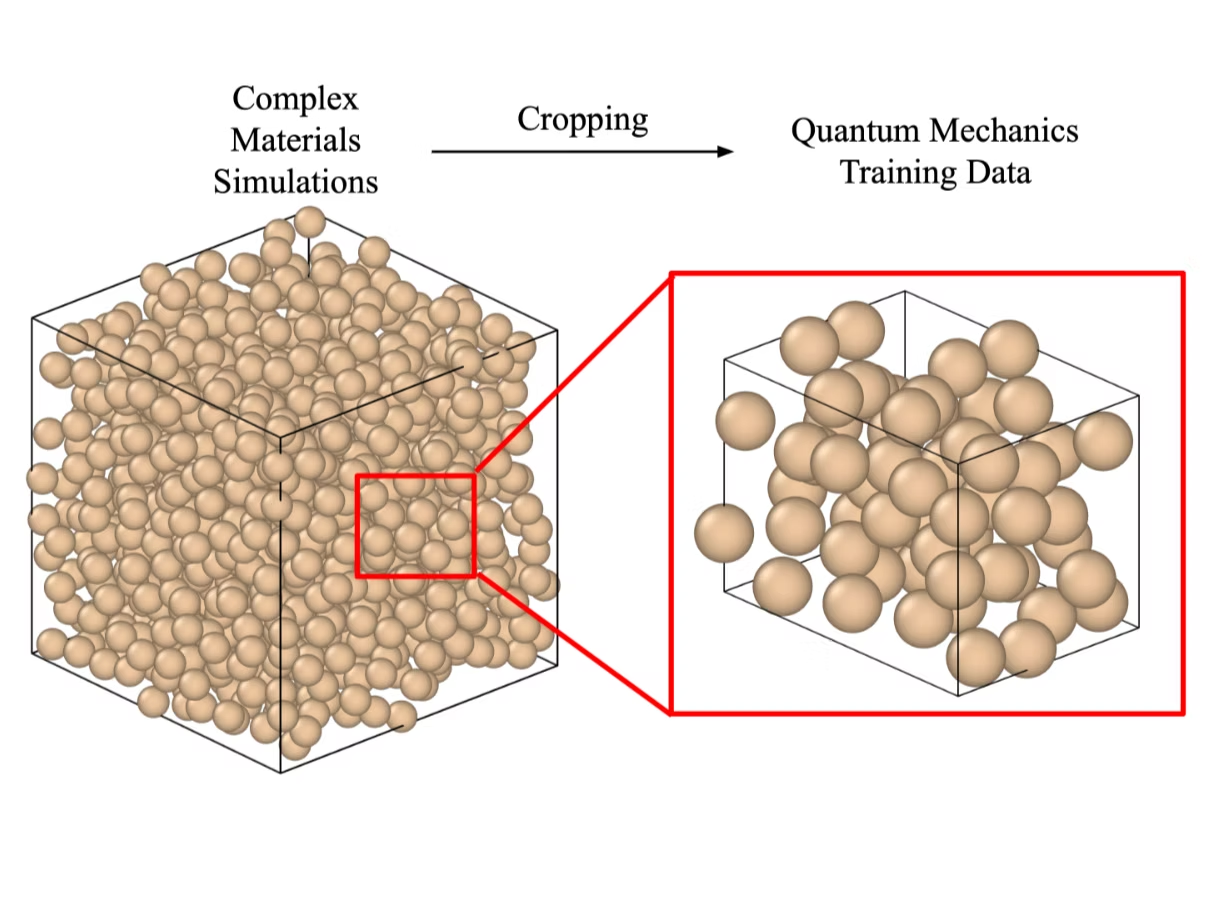
Coarse-grained simulations usually shrink each molecule to a featureless point, discarding the shape and orientation that make a polar liquid behave the way it does. We give every molecule a shape and an orientation and learn the interactions directly from data, capturing the full structure of liquid water, including correlations no point-particle model can represent, at 7-27x the speed of all-atom simulation.

Read article
Why Uncertainty Quantification is the Path to Digitizing Materials Engineering
Blog

Why Uncertainty Quantification is the Path to Digitizing Materials Engineering

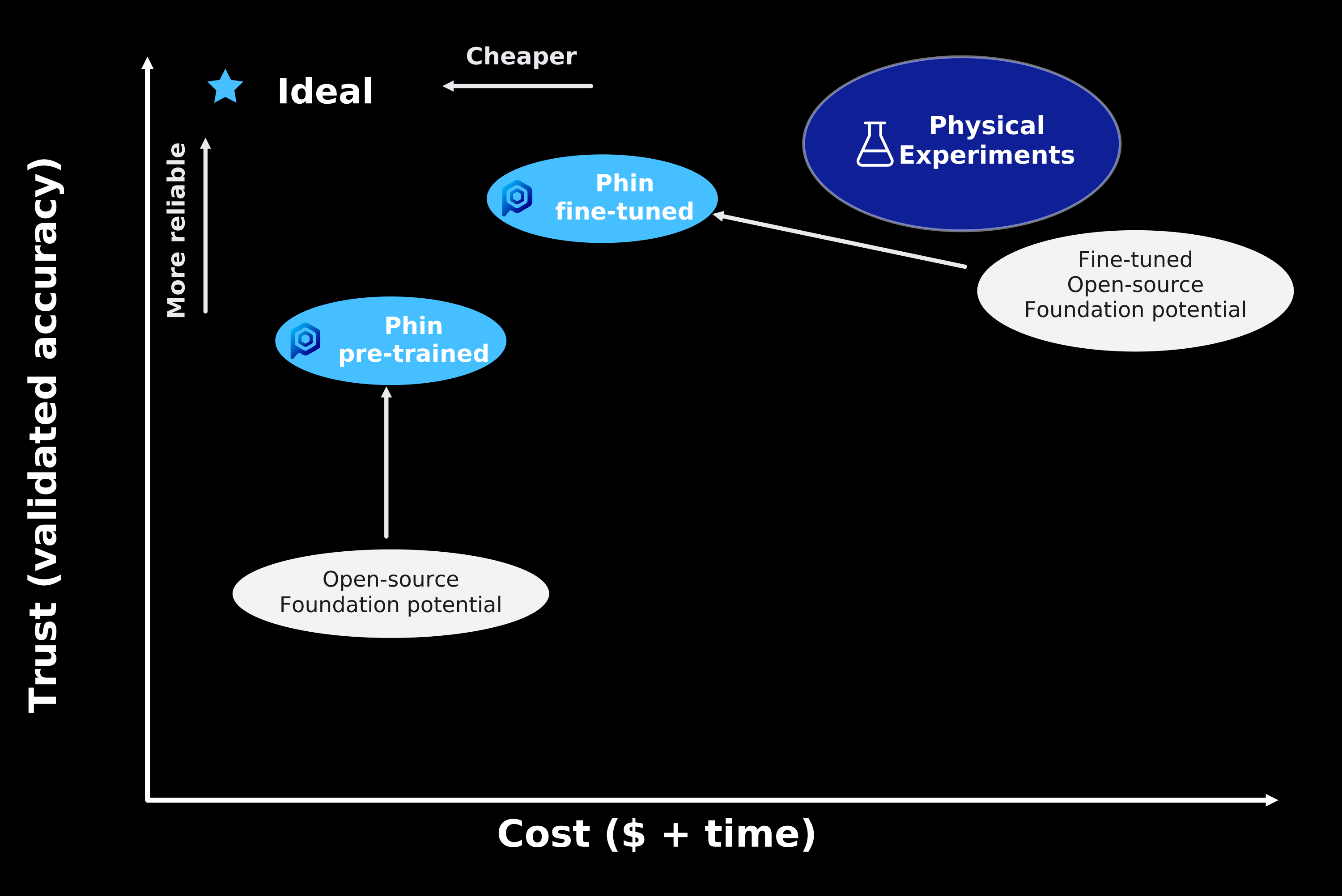
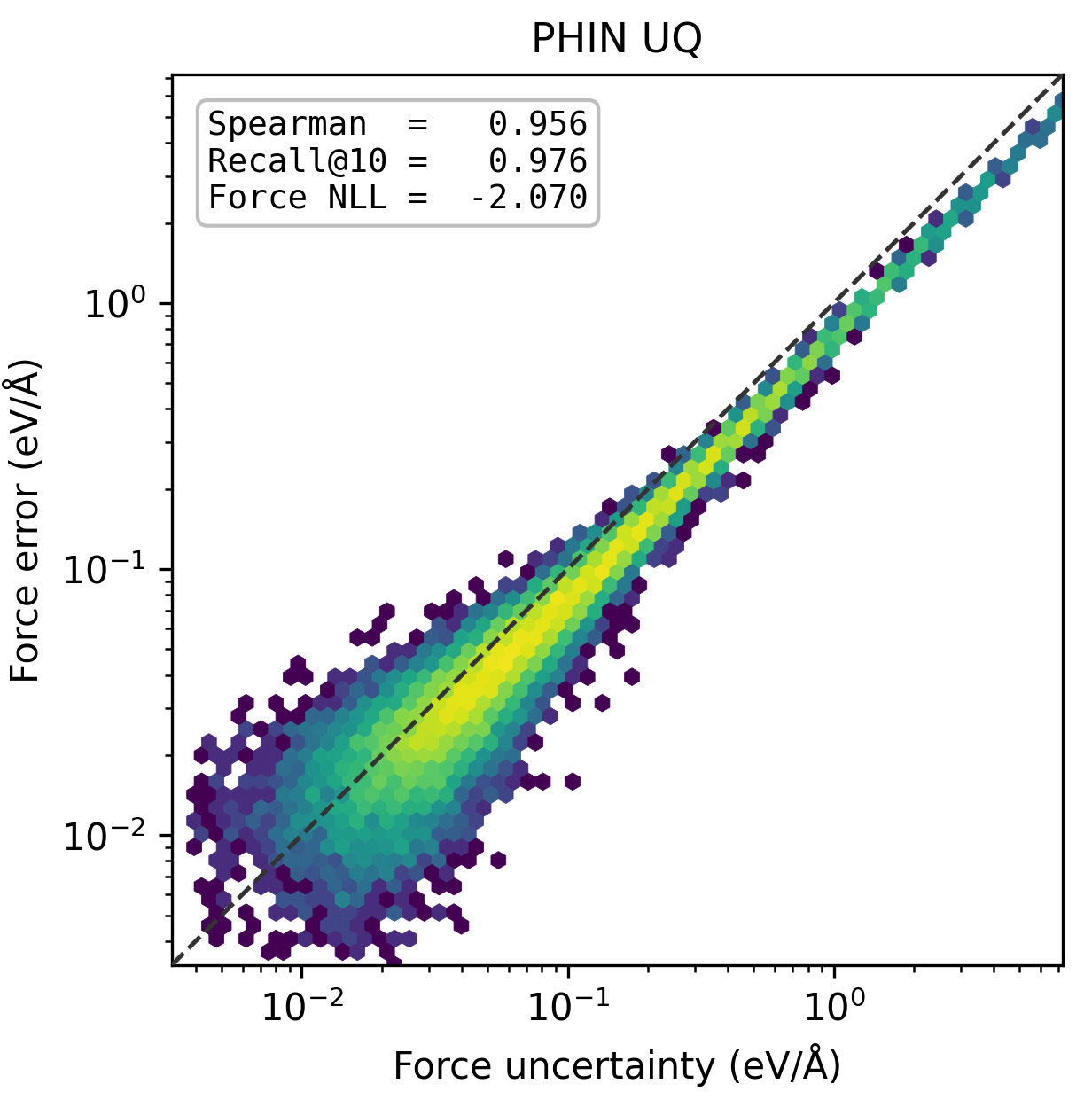
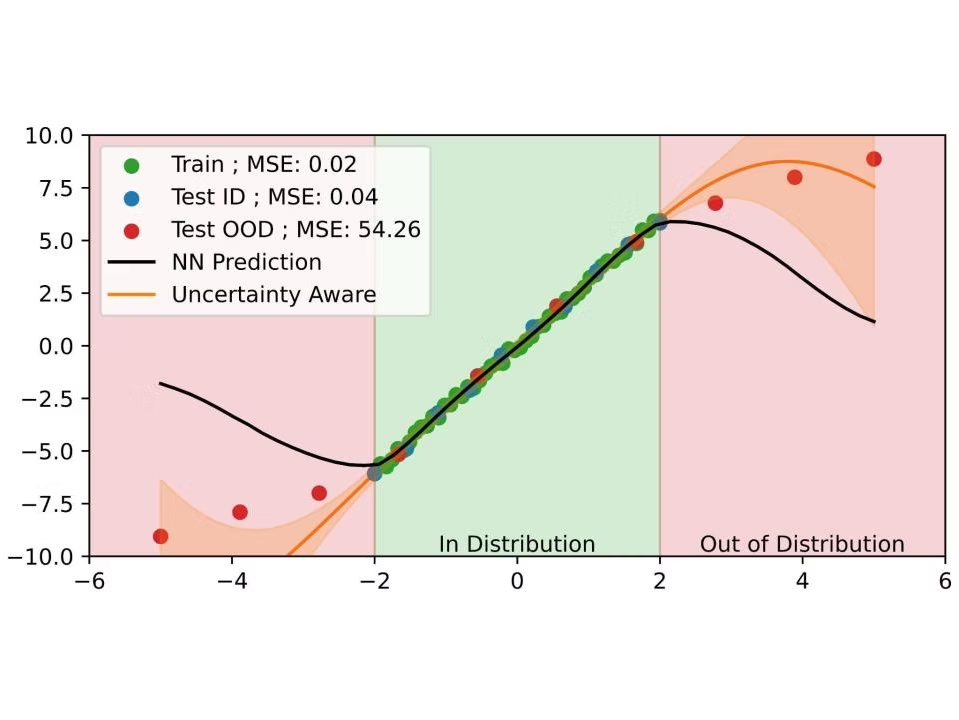
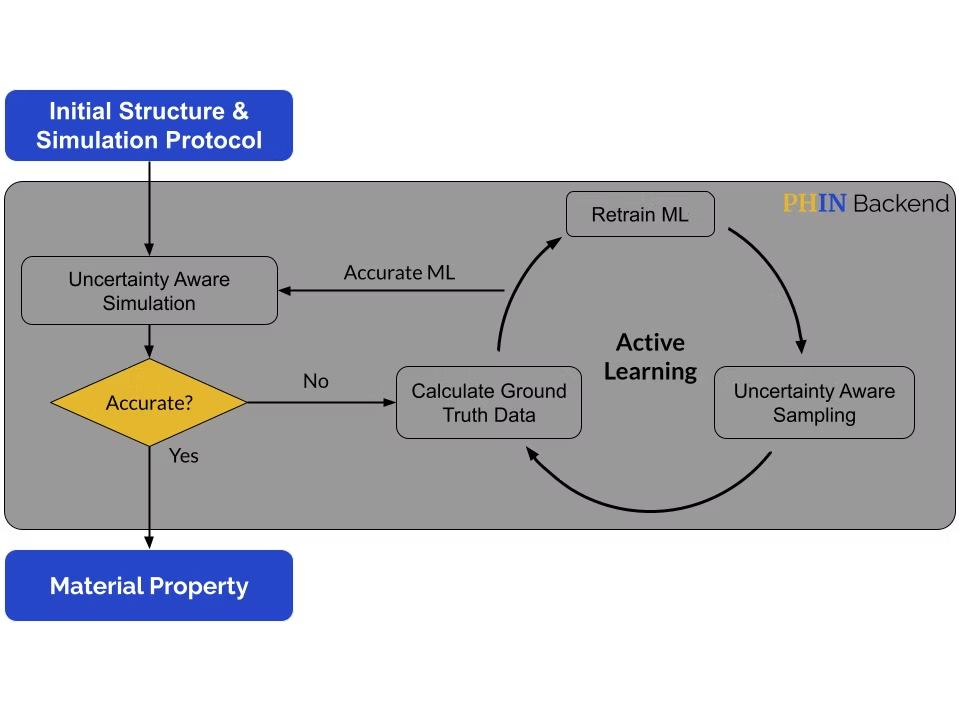
Industrial materials scientists feel a tension between what AI simulation models achieve in benchmarks and what they experience in their materials development workflows. Despite datasets increasing by multiple orders of magnitude, this reliability gap still exists and much like the historical trajectory of Computational Fluid Dynamics (CFD), widespread industry adoption will not occur until there are strict, trusted error bounds. Phin addresses this tension through uncertainty quantification that identifies the reliability boundary of AI models, enabling the digitization of materials engineering.

Read article
The Frontier of UQ in MLIPs: Lessons from Our Panel on MLIPs
Blog

The Frontier of UQ in MLIPs: Lessons from Our Panel on MLIPs

Our recent panel discussion on Uncertainty Quantification (UQ) in Machine Learning Interatomic Potentials (MLIPs) explored the critical bottleneck of model reliability. Featuring insights from Jenna Pope (Pacific Northwest National Laboratory) and Nicholas Wimer (National Laboratory of the Rockies), we examined why deep ensembles aren't a universal solution and how post-hoc methods like quantile regression offer a more scalable path toward trustworthy, autonomous materials development, showcasing how PHIN is on the frontier of UQ architectures of MLIPs.

Read article
The UX of Virtual Scientists: How we are eliminating the expertise barrier in materials simulation through agentic design.
Blog

The UX of Virtual Scientists: How we are eliminating the expertise barrier in materials simulation through agentic design.

PHIN's new Virtual Scientists—AI agents in the PhinOS platform—eliminate the "expertise barrier" that has long gated advanced materials simulation. Combining deep domain knowledge in materials science with PHIN's Active Learning infrastructure orchestration, these agents offer immediate answers and execute virtual experiments via a simple, conversational interface. This hybrid UX, which we call an “Instrumented Conversational UI” makes computational materials discovery accessible to all materials engineers, not just computational experts.

Read article
Phonon Calculations With PHIN
Case Study

Phonon Calculations With PHIN

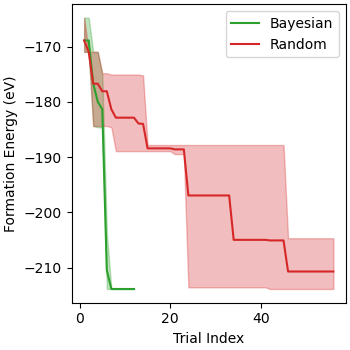
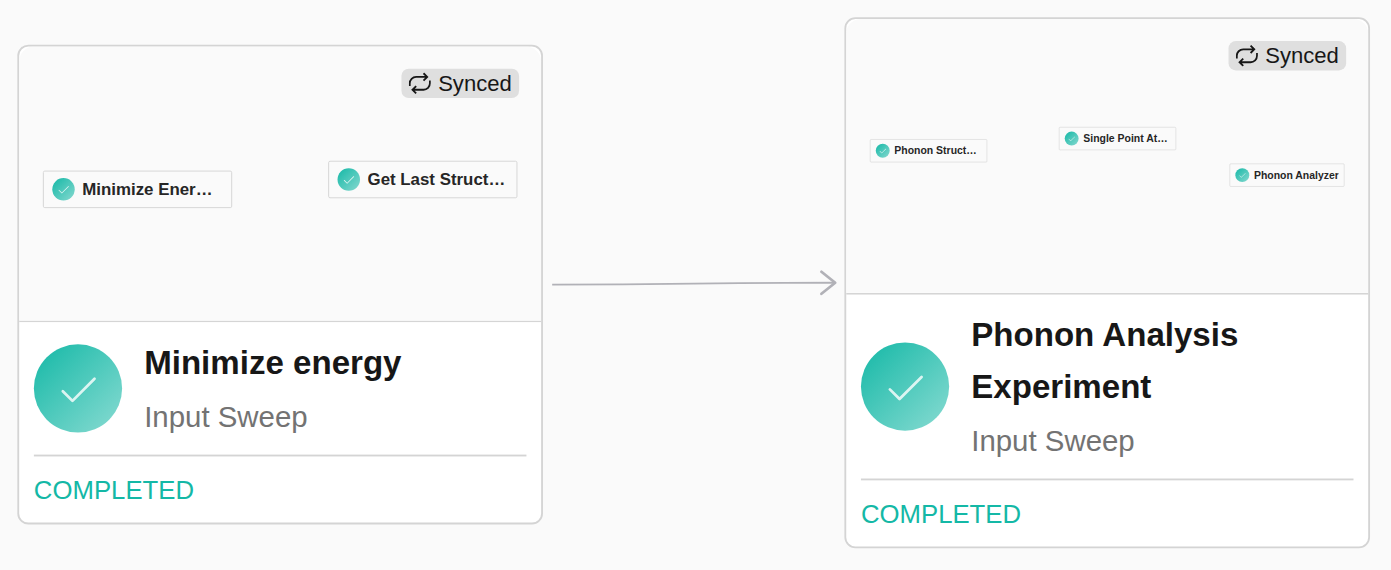
PHIN OS and PHIN Atomic engine provide a powerful platform for performing high-throughput phonon calculations. Its modular design, active-learning based engine, and efficient task orchestration make it possible to explore phonon properties across diverse material classes with accuracy and speed beyond what is possible with a DFT-only approach. The computed phonon band structures and DOS are in good agreement with DFT-based reports, demonstrating that PHIN Atomic and PHIN OS are powerful tools for reliable high-throughput phonon calculations. The results presented here capture the essential vibrational features of MAX phases, NiTi shape memory alloys, and Mg₃Bi₂ thermoelectric, underscoring the utility of PHIN OS for high-throughput materials discovery, characterization, and design.

Read article